
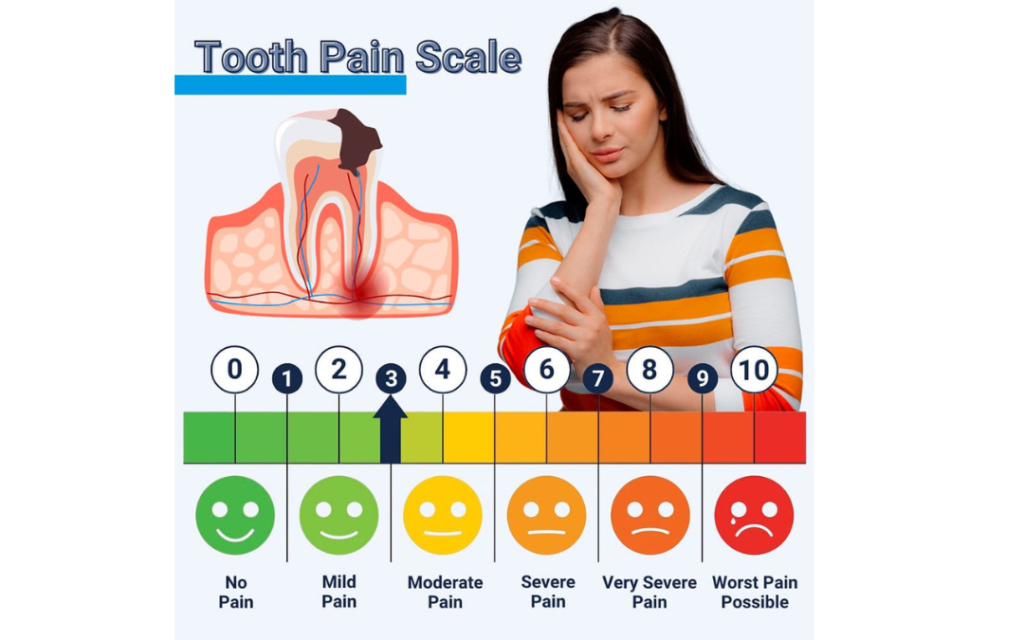
You bite into a piece of toast, and suddenly, a sharp twinge shoots through your tooth. You pause, rinse your mouth, and within seconds, the pain vanishes. Later that day, you sip hot tea, and the same thing happens: a quick jolt of discomfort, then nothing. This pattern tooth pain that comes and goes is more common than you might think. But just because the pain disappears does not mean the problem is gone. In fact, this kind of on-and-off ache is often your tooth’s way of sending an early warning signal. Ignoring it could allow a small issue to grow into something serious, like an infection or even tooth loss. The good news is that most causes are treatable, especially when caught early. Let’s explore the most likely reasons behind your intermittent tooth pain, what they feel like, and what you can do about them.
Unlike constant, throbbing pain, which usually means a major problem, intermittent tooth pain tends to be triggered by specific actions or conditions. Once the trigger is removed, the pain stops. But the underlying issue remains. Understanding the pattern of your pain can help you and your dentist figure out what is really going on.
Here are the most common causes, explained in plain terms.
Your teeth are covered by a hard outer layer called enamel. Underneath that is a softer layer called dentin, which contains tiny tubes that lead straight to the nerve. When enamel wears down or when gums shrink back (recede), these tubes get exposed.
When you eat or drink something hot, cold, sweet, or acidic, the liquid moves through these tubes and tickles the nerve, causing a quick, sharp pain. The pain stops as soon as the stimulus is gone.
This is often described as tooth sensitivity that comes and goes and is one of the most frequent causes of fleeting tooth pain. Common reasons for enamel loss or gum recession include brushing too hard, using a hard-bristled toothbrush, eating too many acidic foods like citrus or soda, and gum disease.
Sometimes, a tooth develops a tiny crack, so small you cannot see it. This crack might not cause pain all the time. But when you bite down, the two sides of the crack press together or shift slightly, irritating the nerve inside. The result is sudden pain while chewing that disappears the moment you stop.
Many people say, “It only hurts when I eat,” or “I feel like something’s stuck, but nothing’s there.” This matches the symptom: tooth pain that comes and goes when chewing.
If left untreated, the crack can deepen, allowing bacteria to enter and cause infection. Early detection is key. Your dentist may use special tools or magnification to find the crack.
Not all cavities start with a black spot or hole. In the very early stage, decay begins as a soft spot in the enamel. At this point, there may be no visible damage, but the weakened area can let temperature or sugar reach the inner layers of the tooth, causing brief pain.
So yes, you can have tooth pain without a cavity, at least not one you can see. This type of pain often flares up with cold drinks, sweets, or sticky foods, then fades quickly. If caught early, your dentist can often reverse or stop the decay with fluoride treatment or a small filling.
Inside every tooth is a soft tissue called the pulp, which contains nerves and blood vessels. If a small cavity, old filling, or crack lets bacteria or irritants get close to the pulp, it can become mildly inflamed, a condition called reversible pulpitis.
In this case, you might feel a short burst of pain when drinking hot coffee or eating ice cream. The pain lasts only a few seconds and stops completely once the hot or cold item is gone. This is often called tooth nerve pain that comes and goes.
The good news is that if treated early, usually with a filling, the pulp can calm down and heal. But if ignored, the inflammation can become permanent, leading to constant pain and the need for a root canal.
Your upper back teeth sit right below your maxillary sinuses, the air-filled spaces in your cheekbones. When you have a cold, allergies, or a sinus infection, these spaces fill with mucus and pressure builds up. That pressure can push down on the roots of your upper molars, making them feel sore or achy.
This type of pain usually affects several teeth at once, not just one, and feels like a dull, constant ache that comes and goes with your congestion. It is often worse when you bend over, lie down, or fly in an airplane.
This matches the description of dull tooth pain that comes and goes and is not actually a dental problem, but it can feel like one.
Do you wake up with a sore jaw, headache, or tender teeth? You might be grinding or clenching your teeth at night, a habit called bruxism. Over time, this puts extreme force on your teeth, wearing down enamel, causing micro-cracks, and irritating the ligaments that hold your teeth in place.
The pain may be worst in the morning and fade as the day goes on. Some people also notice tooth pain that comes and goes at night, especially if they are aware of grinding during sleep.
Because grinding is often stress-related and happens unconsciously, many people do not realize they are doing it until damage appears.
Healthy gums hug your teeth tightly. But if plaque builds up along the gumline, it can cause inflammation (gingivitis) or more advanced gum disease (periodontitis). This leads to gum recession, where the gum pulls away from the tooth, exposing the root.
Root surfaces have no enamel, so they are very sensitive to temperature changes. Drinking cold water or breathing in cold air can cause a quick, sharp pain that stops just as fast. This is a classic case of tooth pain triggered by hot or cold.
Unlike cavity-related pain, this sensitivity often affects multiple teeth along the gumline.
To help you understand what might be happening, here is a clear guide that links common pain patterns to their most likely causes.
Type of Intermittent Tooth Pain | Most Likely Cause | Key Details to Notice |
Sharp tooth pain that comes and goes | Sensitive teeth or early decay | Pain is sudden and brief; triggered by cold, air, sweets, or brushing; stops within seconds |
Tooth pain that comes and goes when chewing | Cracked tooth | Only hurts when you bite down; may feel like the tooth is “giving way” or that food is stuck |
Tooth nerve pain that comes and goes | Reversible pulpitis | Short pain from hot or cold that ends quickly; no pain when resting |
Tooth pain without cavity | Enamel erosion, gum recession, or sinus issues | No visible hole or stain, but tooth still reacts to triggers |
Dull tooth pain that comes and goes | Sinus pressure or mild gum inflammation | Aching in several upper back teeth; worse during colds or allergies |
Tooth pain triggered by hot or cold | Exposed roots or early decay | Immediate reaction to temperature; pain fades as soon as the drink or food is gone |
Tooth pain that comes and goes at night | Teeth grinding or increased head pressure | Worse when lying flat; may include jaw tightness or morning headaches |
Using this table, you can start to narrow down possible causes, but only a dentist can give a true diagnosis.
It is tempting to ignore pain that “goes away.” After all, if it is not hurting now, why worry? But dental problems rarely fix themselves.
A small crack can grow deeper and split the tooth. Early decay can reach the nerve, causing infection and swelling. Gum recession will not heal on its own and can lead to loose teeth. Untreated grinding can wear teeth down to stubs over time.
The longer you wait, the more complex and expensive the treatment becomes. A simple filling today could prevent a root canal or crown tomorrow.
Until you see a dentist, these steps may help reduce discomfort.
Remember, these tips manage symptoms but do not fix the root cause.
Call a dental office if you notice any of these signs.
Even if the pain seems minor, it is worth getting checked, especially if it keeps coming back.
Your dentist will not just look at your teeth. They will use several methods to find the real cause.
With this information, they can create a simple, effective treatment plan.
Tooth pain that comes and goes is not normal, and it is not something you should just live with. Whether it is caused by sensitivity, a hidden crack, early decay, or even sinus pressure, the right care can bring relief and protect your long-term dental health. Do not wait for the pain to become constant or severe. Early action means simpler treatment, less cost, and a healthier smile.
For compassionate, expert care that gets to the root of your discomfort, visit Orosmyle Dental Clinic. We take the time to listen, explain your options in plain language, and help you feel confident in your treatment, so you can enjoy your favorite foods without fear of sudden tooth pain.
What causes tooth pain that comes and goes?
Common causes include sensitive teeth, cracked teeth, early decay, gum recession, sinus pressure, or nighttime teeth grinding.
Can you have tooth pain without a cavity?
Yes, gum recession, enamel wear, small cracks, or sinus issues can all cause pain even when no cavity is visible.
Why does my tooth hurt only when I chew?
This is often a sign of a cracked tooth, where pain occurs only under pressure and stops when you release your bite.
Is sharp tooth pain that comes and goes serious?
It is usually due to sensitivity or early decay, both treatable, but should be checked to prevent worsening.
Can tooth nerve pain go away on its own?
Only if the irritation is mild and the cause, like a small cavity, is treated; otherwise, it can become permanent.
Why do I get dull tooth pain that comes and goes?
It is often linked to sinus infections or mild gum inflammation, especially in the upper back teeth.
Does pain from hot or cold mean I need a root canal?
Not if the pain stops quickly; root canals are needed when pain lingers or happens without any trigger.
Why does tooth pain come and go at night?
Lying down increases blood flow to the head, which can heighten pressure on irritated nerves, or you may be grinding your teeth.
How can I stop intermittent tooth pain at home?
Use sensitive toothpaste, brush gently, avoid extreme temperatures, and see a dentist if it keeps returning.
Should I worry about tooth pain that goes away?
Yes, because the underlying issue is likely still present, and early treatment prevents bigger, costlier problems later.
Book your online appointment easily and at your convenience.Experience professional teeth whitening that is safe and effective.Enjoy a brighter, healthier smile with expert dental care.